
What Is Self-Sabotaging Behaviour and Why Do We Do It?


Key Takeaways:
What are the key signs, causes, and solutions for self-sabotaging behaviour?
Self-sabotaging behaviour involves unconscious choices or patterns that block personal growth and success.
Common signs include procrastination, negative self-talk, perfectionism, avoiding opportunities, and ending relationships too soon.
Root causes often stem from fear of failure or success, low self-esteem, unresolved trauma, or fear of the unknown.
My Inner Child provides a safe space to uncover these roots, reframe negative beliefs, and build healthier coping strategies.
Working with a trauma therapist can help individuals in overcoming self-sabotage and improving self-worth through tailored counselling.
Introduction
Have you ever noticed yourself delaying an important task, pulling away from a healthy relationship, or doubting your own abilities even when things are going well? These are common signs that prevent us from reaching our goals and living the life we truly want.
For many adults in Singapore, self-sabotaging may feel like an unexplainable cycle of missed opportunities or repeated disappointments. Yet, it is rarely random. Often, these patterns are tied to deeper emotional wounds, unresolved trauma, or long-standing fears. Recognising these behaviours is the first step toward healing, and with the right support, change is possible.
What Is Self-Sabotage?
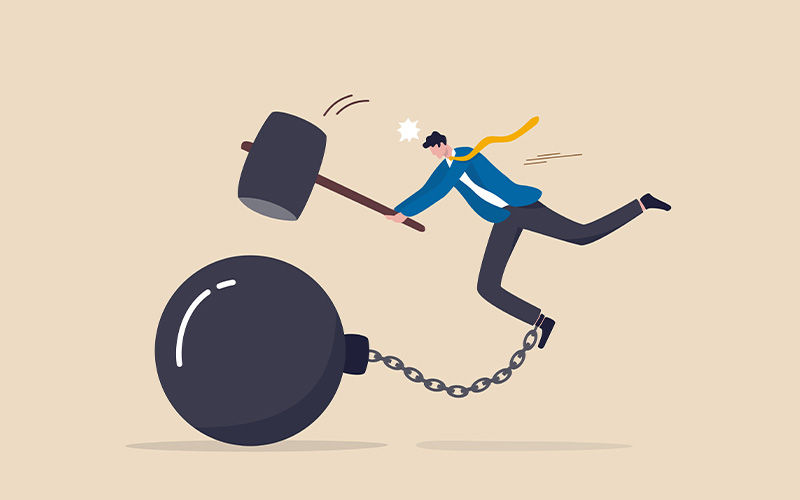
Self-sabotage refers to thoughts or behaviours that consciously or subconsciously get in the way of your longer-term goals, relationships, or overall well-being. It goes beyond occasionally procrastinating or making a decision you later regret. Instead, it tends to show up as a recurring pattern where what you do conflicts with what you genuinely want for yourself.
For example, you may delay an important task despite wanting to succeed, pull away from a relationship when it starts becoming more serious, or talk yourself out of an opportunity because you are afraid you will not be good enough. These patterns can sometimes be linked to fears around failure, success, change, or self-worth, although the reasons can differ from person to person.
Understanding self-sabotage is therefore not about blaming yourself for making “bad” choices. It is about becoming more aware of the patterns that may be holding you back and exploring what thoughts, emotions, or past experiences might be contributing to them.
What Does Self-Sabotaging Look Like?
Self-sabotaging can take many forms, often slipping into everyday life unnoticed. Some examples include:
Procrastinating on tasks that matter
This can look like endlessly delaying work deadlines, putting off health appointments, or avoiding important conversations. While it may feel like temporary relief, it often creates more stress later and reinforces the belief that you cannot handle responsibility.
Ending relationships just when they’re going well
Some people instinctively withdraw or sabotage connections once intimacy grows. By leaving before things deepen, they protect themselves from the possibility of rejection or betrayal which also prevents them from experiencing the security and joy of a healthy bond.
Negative self-talk and perfectionism
Self-sabotage often hides in the way we speak to ourselves. Patterns of negative self-talk, such as setting impossible standards or replaying critical thoughts, can lead to paralysis where nothing ever feels “good enough.” Over time, this chips away at self-confidence and keeps you from moving forward.
Avoiding new opportunities due to fear
Opportunities, whether at work, in relationships, or in personal growth, can feel intimidating. Choosing to stay in your comfort zone may feel safer, but it limits growth. This avoidance reinforces the cycle of self-sabotage, where fear outweighs possibility.
What are the Common Root Causes of Self-Sabotage?

Fear of Failure
Many people hold the belief: “If I don’t try, I can’t fail.” While this mindset offers temporary protection from risk or embarrassment, it also shuts the door to growth. Over time, avoiding challenges reinforces self-doubt, keeping you in a cycle where progress feels out of reach.
Fear of Success
Success isn’t always liberating, it can bring heightened expectations, more responsibility, or even changes in identity and relationships. Some people unconsciously self-sabotage to avoid these pressures, preferring the safety of staying where they are rather than stepping into the unknown of greater achievement.
Low Self-Esteem
When self-worth is low, the internal dialogue often sounds like: “I don’t deserve this.” This can lead to missed promotions, declined invitations, or broken connections, even when opportunities are positive. Self-sabotage becomes a way of keeping life aligned with negative self-beliefs.
Unresolved Trauma
Past experiences, such as neglect, abuse, or repeated emotional wounds, can leave lasting imprints. These unresolved traumas shape beliefs about safety, worthiness, and trust. In adulthood, they often surface as self-sabotaging behaviour, repeating cycles of avoidance, fear, or self-doubt until healing takes place.
Fear of the Unknown
Change, even when positive, can feel intimidating. Many people choose the comfort of familiar discomfort rather than facing the unpredictability of something new. This fear keeps them anchored in old patterns, reinforcing a sense of being “stuck” even when they long for a different outcome.
How to Stop Self-Sabotaging
Changing self-sabotaging behaviour usually starts with recognising the patterns that keep repeating and understanding what may be driving them. Rather than expecting yourself to change everything at once, it can be more helpful to build awareness, make smaller adjustments, and practise responding differently over time.
Identify the Patterns and Their Triggers
Pay attention to situations where you tend to hold yourself back, such as delaying an important task, withdrawing from someone, or becoming overly critical of yourself when things are going well. Looking for recurring patterns can help you understand whether certain fears, beliefs, or past experiences tend to appear before the behaviour.
Explore What May Be Behind the Behaviour
Self-sabotage can sometimes be connected to earlier experiences, low self-esteem, relationship difficulties, or conflicting beliefs about what you deserve or are capable of achieving. Exploring these underlying influences can help you move beyond simply trying to suppress the behaviour and begin understanding why it developed in the first place.
Break Goals Into Smaller Steps
Large goals can feel overwhelming, especially when fear of failure or uncertainty is already present. Instead of focusing on everything you need to achieve, try identifying one manageable action you can take next. Smaller, incremental steps may make it easier to keep moving without becoming paralysed by the size of the goal.
Challenge Perfectionistic Thinking
If you feel that something has to be done perfectly before it is worth doing, you may find yourself overthinking, delaying, or giving up after a setback. Try shifting your focus from getting everything right to making reasonable progress. A mistake or difficult week does not have to undo everything you have already worked towards.
Notice How You Speak to Yourself
Harsh self-criticism can reinforce beliefs such as “I will fail anyway” or “I am not good enough”, which may make self-sabotaging patterns harder to change. When you notice this kind of self-talk, pause and consider whether the thought reflects what is actually happening or an older belief you have become accustomed to repeating.
Consider Support if the Pattern Feels Difficult to Change Alone
Sometimes, recognising a self-sabotaging pattern is easier than understanding why it keeps happening. Therapy can provide space to explore underlying beliefs, emotional triggers, and coping responses while developing healthier ways of managing difficult thoughts and emotions. Approaches such as cognitive behavioural therapy (CBT) and dialectical behaviour therapy (DBT) may be used depending on the difficulties involved.
How Trauma Therapy Helps in Overcoming Self-Sabotage?

Creating a Safe Space
Through trauma therapy in Singapore, individuals gain a supportive environment to explore the roots of their behaviours. Trauma counselling practitioners like My Inner Child are trained to gently guide clients in unpacking the past without judgement.
Understanding the Origins
A skilled trauma therapist helps identify how unresolved experiences influence present-day actions. By connecting current patterns to past trauma, you can begin to understand why certain behaviours feel instinctive.
Building Healthier Coping Strategies
With support, clients can learn to recognise triggers and interrupt harmful cycles before they take over. Through trauma counselling in Singapore, clients are guided to reframe negative self-talk, set achievable goals, and take small, consistent steps toward change. Over time, these strategies help build resilience and create a healthier path forward.
Restoring Self Worth
Therapy is not just about breaking harmful patterns; it’s about rebuilding belief in yourself. Counselling for low self-esteem helps individuals reconnect with their strengths, making space for growth, healthier relationships, and new opportunities.
Self-sabotaging behaviour can feel discouraging, especially when it keeps repeating despite your best efforts to change. These patterns are not signs of weakness but often survival strategies shaped by past experiences or unresolved trauma. With the right support, it is possible to begin breaking negative patterns, rebuild self-worth, and open yourself to healthier opportunities.
With the guidance of trauma therapists at My Inner Child, you can begin uncovering the roots of self-sabotage and take steps towards meaningful, lasting change. If you recognise these behaviours in your own life, reach out to us today to begin your journey of healing and lasting change.
What Treatments Can Help With Self-Sabotaging Behaviour?
There is no single treatment specifically for self-sabotage. The most appropriate approach depends on what is maintaining the pattern. For one person, it may be persistent negative beliefs or perfectionism; for another, it may be difficulty regulating intense emotions or protective responses shaped by earlier experiences.
This is why therapy may involve working not only on the behaviour itself, but also on the thoughts, emotions, and experiences that tend to precede it.
Cognitive Behavioural Therapy (CBT)
CBT focuses on recognising unhelpful thinking patterns and examining how they influence your emotions and behaviour. For example, you may repeatedly avoid opportunities. After all, you automatically assume you will fail, or procrastinate because you believe anything less than perfect performance is unacceptable.
Through CBT, you can examine these thoughts and gradually replace them with more balanced responses. CBT is one approach that may help people address the cognitive distortions associated with self-sabotaging behaviour.
Dialectical Behaviour Therapy (DBT)
When self-sabotage tends to occur during periods of intense emotion, DBT may be considered. It teaches practical skills for emotional regulation, distress tolerance, interpersonal relationships, and responding to difficult feelings without immediately acting on them.
This can be particularly relevant when self-sabotaging behaviour is impulsive or tends to appear when you feel overwhelmed, rejected, angry, or distressed. DBT can be useful where difficulties with emotional regulation and impulse control contribute to harmful behavioural patterns.
Trauma-Informed Psychotherapy
Sometimes, changing the immediate behaviour is only one part of the work. Self-sabotaging patterns may also be connected to childhood experiences, previous relationships, low self-esteem, or coping responses developed during difficult periods of life.
Trauma-informed psychotherapy can explore these patterns while paying attention to emotional safety, pacing, and nervous-system regulation. At My Inner Child Clinic, this approach involves first establishing safety and regulation before exploring earlier experiences, rather than pushing someone to revisit the past before they feel ready.
Inner Child and Parts Work
You may sometimes recognise that a behaviour is unhelpful while still feeling strangely compelled to repeat it. Inner child and parts work can explore whether different emotional needs or protective responses are pulling you in conflicting directions.
For example, one part of you may want a closer relationship while another withdraws whenever intimacy begins to feel unsafe. At My Inner Child Clinic, inner child work is used to explore unmet needs from earlier experiences, while parts work looks at internal responses that may appear to conflict with one another.
Somatic and Nervous-System-Based Approaches
Not every self-sabotaging response begins with a conscious thought. At times, your body may react to a situation as threatening before you have had the opportunity to think through what is happening.
Somatic approaches bring attention to physical sensations, emotional activation, and nervous-system responses so that you can gradually recognise what happens between a trigger and your usual reaction. My Inner Child Clinic incorporates somatic awareness and other trauma-informed approaches when working with patterns connected to earlier distressing experiences.
Ultimately, therapy for self-sabotaging behaviour is less about choosing the “best” technique and more about understanding where the pattern occurs: in your thoughts, emotional regulation, relationships, learned beliefs, or automatic protective responses. Identifying this can help your therapist determine which approach, or combination of approaches, may be most appropriate.
Daily Strategies to Reduce Self-Sabotaging Behaviour
Changing self-sabotaging behaviour often happens through small decisions repeated consistently rather than one major breakthrough. Once you begin noticing when and why a familiar pattern appears, the following strategies can help you create a little more space between the trigger and your usual response.
Track Your Triggers and Repeating Patterns
Instead of only noticing the outcome, such as procrastinating again or pulling away from someone, try looking at what happened immediately beforehand. Were you feeling overwhelmed, criticised, uncertain, embarrassed, or afraid of disappointing someone?
Keeping a brief journal can help you identify recurring links between trigger → thought or feeling → behaviour → consequence. This simple pattern can make self-sabotage easier to recognise before it becomes automatic. Identify the specific behaviour that is interfering with your goals, recognising its triggers, and planning an alternative response.
Make the Next Step Smaller
When a goal feels intimidating, focusing on the entire outcome can make avoidance more tempting. Instead, ask yourself: “What is the smallest useful action I can take right now?”
If you have been delaying a report, for example, your first step might simply be opening the document and drafting three bullet points. Starting with a small action can reduce the emotional barrier to beginning and help you build momentum rather than waiting until you feel completely motivated.
Create an “If–Then” Plan for Familiar Triggers
Knowing your pattern is useful, but deciding in advance what you will do differently can make that awareness more actionable. Try creating a simple if–then plan:
“If I notice myself avoiding this task because I am worried I will do it badly, then I will work on it for ten minutes before deciding whether to stop.”
This type of strategy is known as an implementation intention. Identify a desired outcome, recognise the obstacle most likely to interfere with it, and decide how you will respond.
Practise Mindful Pauses Before Reacting
Mindfulness does not require clearing your mind or ignoring difficult feelings. In this context, it simply means noticing what is happening before automatically responding.
If you recognise the urge to cancel an opportunity, criticise yourself, shut down during a disagreement, or avoid an uncomfortable task, pause and name what you are experiencing. You might notice, “I am worried I will fail” or “I feel rejected, so I want to withdraw.” This can help you distinguish the emotion you are experiencing from the action you choose to take next.
Replace Self-Criticism With a More Balanced Response
Harsh self-talk can reinforce the very cycle you are trying to change. If every mistake becomes evidence that you are incapable or bound to fail, avoiding future challenges can begin to feel safer than trying again.
Practising self-compassion does not mean excusing behaviour or pretending everything went well. Instead, acknowledge what happened without turning it into a judgement about your entire character. For example, you might shift from “I always ruin everything” to “I avoided this because I was overwhelmed. What could I do differently next time?” Cultivate self-compassion as part of disrupting self-defeating patterns.
Focus on Progress Rather Than Eliminating the Pattern Completely
If you expect yourself to stop self-sabotaging immediately, one setback can easily become another reason to give up. A more sustainable approach is to look for evidence that the pattern is becoming less automatic.
Perhaps you still procrastinated, but started the task later that day instead of abandoning it. Perhaps you felt the urge to withdraw from someone but communicated that you needed some time instead. These smaller shifts matter. Focus on incremental improvement rather than expecting the behaviour to disappear all at once.
Share Your Goal With Someone You Trust
Self-sabotaging patterns can be harder to notice when they are happening entirely inside your own head. Sharing a specific goal with a trusted friend, family member, mentor, or partner can introduce gentle accountability and another perspective.
Rather than asking someone to pressure you, be specific about the support you need. You might ask them to check whether you completed one planned step, remind you of your longer-term goal, or simply listen when you notice yourself falling into an old pattern.
Daily strategies can be useful when self-sabotaging behaviours are relatively manageable. However, if the same patterns continue to affect your relationships, work, emotional well-being, or ability to pursue important goals despite repeated efforts to change them, working with a therapist may help you understand what is maintaining the cycle and develop strategies that address its underlying causes.
FAQs
What is self-sabotaging behaviour?
Self-sabotaging behaviour refers to actions or thought patterns that undermine your own goals and desires, often stemming from fear or self-doubt.
How can I identify self-sabotaging patterns?
You can identify these patterns by reflecting on your behaviours, journaling, and noticing when you feel compelled to undermine your progress.
Is it possible to overcome self-sabotage?
Yes, with awareness, self-compassion, and possibly professional support, you can break free from self-sabotaging behaviours and achieve your goals.
When should I seek professional help for self-sabotage?
If self-sabotaging behaviours are significantly impacting your life or mental health, it may be beneficial to seek support from a qualified therapist.


Comments