
Social Anxiety Disorder in DSM-5: Symptoms, Causes, and Treatments
Key Takeaways:
What should you know about social anxiety disorder dsm 5?
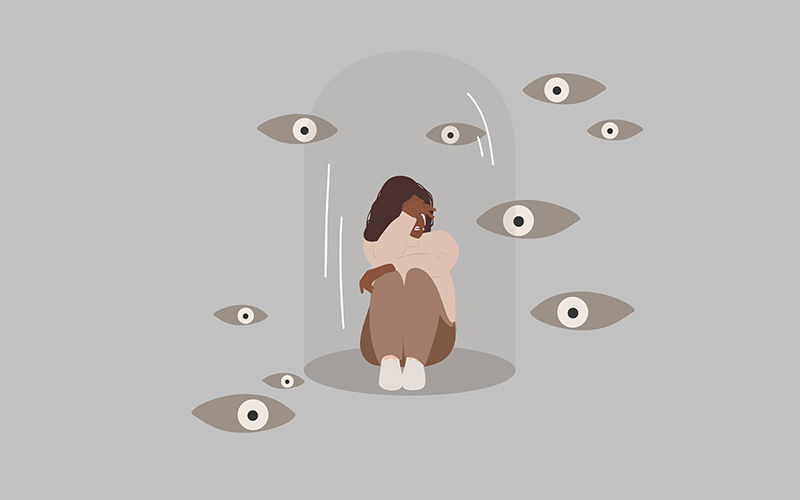
Social anxiety disorder is recognised in the DSM-5 as a persistent fear of social situations involving possible judgment, embarrassment, or negative evaluation.
Symptoms can affect emotional wellbeing, physical responses, and behaviour, often leading to avoidance and reduced quality of life.
Social anxiety develops through a combination of biological sensitivity, temperament, life experiences, and social or cultural pressures.
Effective treatment focuses on compassionate psychological support that helps individuals understand their anxiety, build emotional safety, and gradually reconnect with social experiences at a comfortable pace.
Introduction
Living with persistent fear in social situations can be deeply isolating. For many adults, this fear goes beyond everyday nervousness and develops into a recognised mental health condition. Social anxiety disorder dsm 5 is formally classified in the Diagnostic and Statistical Manual of Mental Disorders, Fifth Edition, and describes a pattern of intense distress related to social interaction, performance, and perceived judgment by others.
At My Inner Child, individuals often seek support after years of silently managing these fears on their own. With compassionate, evidence-based care, social anxiety can be understood, softened, and gradually transformed into greater confidence and emotional safety.
What Is Social Anxiety Disorder According to the DSM-5?
The DSM-5 defines social anxiety disorder dsm 5 as a marked and persistent fear of one or more social situations in which an individual may be exposed to scrutiny. This includes experiences such as meeting new people, speaking in groups, or being observed while performing everyday tasks.
A central feature of this condition is the fear of negative evaluation, where individuals worry about being embarrassed, rejected, or judged. These social situations almost always trigger anxiety and are either avoided entirely or endured with significant emotional distress.
To meet DSM-5 criteria, symptoms must persist for six months or longer and cause meaningful impairment in daily functioning, including work, relationships, or academic life. The DSM-5 also recognises a “performance-only” specifier, where anxiety is limited specifically to public speaking or performing.
What Are the Common Symptoms of Social Anxiety Disorder?
The experience of social anxiety disorder dsm 5 often unfolds across emotional, physical, and behavioural levels.
Emotionally, individuals may experience intense fear, heightened self-consciousness, and persistent worry about how they are perceived. This may include anticipatory anxiety, where distress begins days or weeks before a social event even occurs.
Physically, anxiety can manifest through blushing, sweating, trembling, a racing heartbeat, nausea, or a sense of breathlessness. These bodily responses can reinforce fear, creating a cycle where physical symptoms themselves become something to dread.
Behaviourally, people may avoid eye contact, withdraw from social gatherings, or rely on safety behaviours such as excessive mental rehearsal or using alcohol to feel more confident. Over time, avoidance can narrow life experiences and deepen feelings of isolation.
It is also important to recognise that social anxiety exists on a spectrum. Some individuals experience mild but persistent discomfort in social situations, while others face more intense and disabling fear that significantly restricts daily life. A formal diagnosis is not required to seek support. Even when symptoms fluctuate or feel manageable, therapy can help individuals better understand their emotional responses and reduce the internal strain that social anxiety creates over time.
Why Does Social Anxiety Develop?
There is no single cause of social anxiety. Instead, social anxiety disorder dsm 5 reflects an interaction of biological, psychological, and environmental factors.
Biologically, some individuals may have a genetic vulnerability or heightened sensitivity in brain areas linked to threat detection, such as the amygdala. Temperament also plays a role. Children who are naturally shy or behaviourally inhibited may be more sensitive to social evaluation as they grow older.
Environmental influences are equally important. Experiences such as bullying, harsh criticism, or emotionally unsafe social environments can shape how individuals view themselves in relation to others. Over time, these experiences may contribute to deeply rooted patterns of self-doubt and social fear.
In Singapore, social anxiety may also be influenced by cultural expectations around performance, achievement, and social presentation, which can heighten self-awareness and fear of evaluation in professional and social settings.
When Should Someone Seek Support for Social Anxiety?
Many adults live with social anxiety for years before considering support, often believing their struggles are something they should overcome alone. Seeking help may be especially important when anxiety leads to ongoing avoidance, interferes with work or relationships, or causes persistent emotional distress.
For adults considering support from a psychotherapist in Singapore, beginning therapy in a space that feels emotionally safe and non-judgmental can help reduce fear and make the healing process feel more approachable.
How Is Social Anxiety Treated?
Effective treatment focuses on helping individuals feel safer within themselves and more grounded in social situations. Many people in Singapore exploring therapy value an approach that prioritises emotional understanding, trust, and psychological safety rather than pressure to change quickly.
Cognitive-Behavioural Therapy (CBT) is commonly used to help individuals recognise and gently challenge unhelpful thought patterns, gradually face feared situations, and develop healthier ways of relating to social experiences. Therapy may also explore deeper emotional patterns shaped by earlier relational experiences, allowing anxiety to be addressed at a more foundational level.
Therapy progresses at a pace guided by each individual’s emotional readiness. There is no expectation to confront fears abruptly or relive distressing experiences before trust is established. The focus is on building emotional regulation, self-compassion, and inner stability so confidence can grow naturally.
Many clients also benefit from structured stress management therapy, which supports nervous system regulation and helps reduce overall emotional overwhelm.
For clinical clarity, definitions within the DSM-5 can also be referenced through diagnostic criteria overview from established psychiatric resources.
Conclusion
Social Anxiety Disorder, as defined in the DSM-5, is a well-recognised and treatable condition. While its symptoms can feel overwhelming, they do not define a person’s worth or potential. With compassionate psychological support, individuals can learn to understand their anxiety, soften self-judgment, and reconnect with social experiences in a way that feels safe and empowering. Healing is not about becoming someone else, but about feeling more at home within yourself. For those who feel ready to take the next step, My Inner Child offers a safe and supportive space to explore social anxiety at a pace that feels right for you.

Comments